









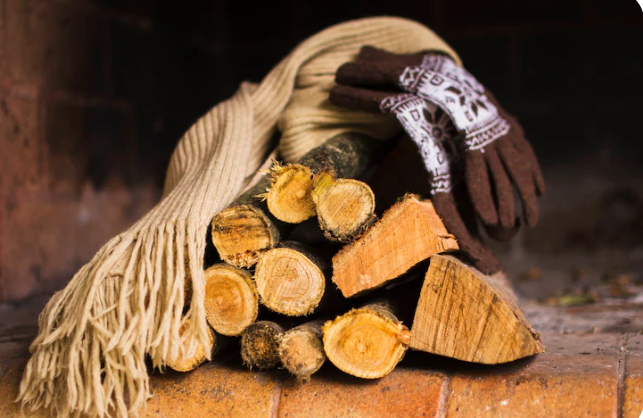
If you heat your home with wood or enjoy cozy backyard fires, understanding a cord of firewood is essential. This term is more than just a casual measurement — it’s a legally recognized unit used in the firewood industry. Knowing exactly what a cord includes can save you money, prevent confusion, and help you make smarter buying decisions.
In this complete guide, you’ll learn what a cord of firewood is, how it compares to other wood measurements, how long it lasts, and how to ensure you’re getting full value for your purchase.
What Is a Cord of Firewood?
A cord of firewood is a standardized measurement of stacked wood. In the United States and Canada, a full cord equals:
4 feet high × 4 feet deep × 8 feet long
That equals 128 cubic feet of tightly stacked wood and air space.
The measurement is legally recognized in many states, and sellers are expected to use this standard when advertising firewood. This definition helps protect buyers from receiving less wood than they paid for.
Why the Term “Cord” Exists
Before standardized measurements, firewood was sold loosely and inconsistently. The term “cord” dates back centuries when wood was tied with a cord or rope to measure bundles consistently.
Today, consumer protection agencies regulate firewood sales. For example, the National Institute of Standards and Technology outlines measurement standards to ensure fair trade practices.
Using a standard unit prevents disputes between buyers and sellers.
Different Types of Firewood Measurements
While a full cord is the official measurement, you may see other terms used in advertisements.
Full Cord
The official 128 cubic feet measurement.
Half Cord
Exactly half of a full cord (64 cubic feet).
Face Cord
This is where confusion often happens. A face cord measures 4 feet high by 8 feet long, but the depth depends on the length of the logs — commonly 16 inches. That means a face cord is usually about one-third of a full cord.
Rick
In some regions, “rick” is used interchangeably with face cord, but it is not legally standardized. Always clarify dimensions before purchasing.
How Much Wood Is in a Cord?
The amount of usable wood in a cord depends on:
- Log length
- How tightly it’s stacked
- Species of wood
- Moisture content
A full cord typically weighs between 2,000 to 5,000 pounds depending on whether it’s hardwood or softwood.
Hardwoods like oak are denser and heavier, while softwoods like pine are lighter but burn faster.
How Long Does a Cord of Firewood Last?
This depends entirely on how you use it.
For primary home heating during winter, a household may burn 3 to 6 cords per season, depending on climate and insulation quality.
For occasional fireplace use, one cord could last an entire year.
In colder regions, such as parts of Canada, households relying on wood heat may use several cords per winter. In milder climates, consumption is much lower.
Hardwood vs. Softwood: Which Is Better?
Choosing the right type of wood matters as much as understanding quantity.
Hardwood
- Burns longer
- Produces more heat
- Ideal for home heating
- Examples: oak, maple, hickory
Softwood
- Lights quickly
- Burns faster
- Good for kindling
- Examples: pine, fir, spruce
If you want steady heat output, hardwood is usually the better investment.
Seasoned vs. Green Firewood
Another critical factor is moisture content.
Seasoned Wood
- Dried for 6–12 months
- Burns efficiently
- Produces less smoke
- Creates less creosote buildup
Green Wood
- Freshly cut
- High moisture content
- Harder to burn
- Produces more smoke
Proper seasoning reduces chimney buildup and improves heating efficiency. The U.S. Environmental Protection Agency recommends using dry, seasoned wood to reduce air pollution and improve safety.
How to Measure a Cord Yourself
To verify you received a full cord:
- Stack the wood neatly.
- Measure the height (should be 4 feet).
- Measure the depth (should be 4 feet).
- Measure the length (should be 8 feet).
Multiply height × depth × length to confirm it equals 128 cubic feet.
If logs are loosely thrown into a truck without stacking, it is difficult to confirm volume accurately.
Average Cost of a Cord of Firewood
Prices vary based on:
- Location
- Wood species
- Season
- Delivery fees
In the U.S., a full cord typically ranges between $200 and $500, though prices can be higher in urban or colder regions.
Buying during spring or summer often saves money compared to peak winter demand.
Storage Tips for Firewood
Proper storage ensures your wood stays dry and usable.
Elevate the Wood
Keep wood off the ground using pallets or racks.
Cover the Top Only
Cover the top with a tarp but leave the sides open for airflow.
Store Away from Home
Keep stacks at least 20 feet from your house to prevent pest migration.
Rotate Stock
Use older wood first to maintain dryness.
Good storage can make the difference between efficient heating and frustrating fires.
Common Buying Mistakes to Avoid
Many buyers make avoidable errors when purchasing firewood.
Not Confirming the Measurement
Always ask whether the price is for a full cord, face cord, or half cord.
Ignoring Moisture Content
Wet wood reduces heating efficiency and increases smoke.
Buying Unseasoned Wood in Winter
Green wood won’t dry fast enough for immediate use.
Not Comparing Prices
Check multiple suppliers before purchasing.
Environmental Considerations
Burning firewood can be environmentally responsible if done correctly.
- Use sustainably sourced wood.
- Burn seasoned hardwood.
- Maintain your chimney regularly.
Responsible wood burning can reduce reliance on fossil fuels while maintaining cozy home heating.
Is a Cord of Firewood Right for You?
The answer depends on your heating needs.
If you rely on wood as a primary heat source, buying full cords is cost-effective. For occasional fireplace use, a face cord may be sufficient.
Understanding measurements ensures you pay fairly and receive the correct quantity.
Final Thoughts
A cord of firewood is more than just a stack of logs — it’s a legally defined measurement designed to protect both buyers and sellers. Knowing the difference between a full cord, face cord, and other informal terms prevents confusion and overspending.
When buying firewood:
- Verify measurements
- Choose seasoned hardwood
- Store it properly
- Compare supplier prices
With the right knowledge, you can heat your home efficiently, safely, and economically all winter long.
By understanding exactly what a cord of firewood represents, you’ll make informed decisions and get the best value for your investment.