









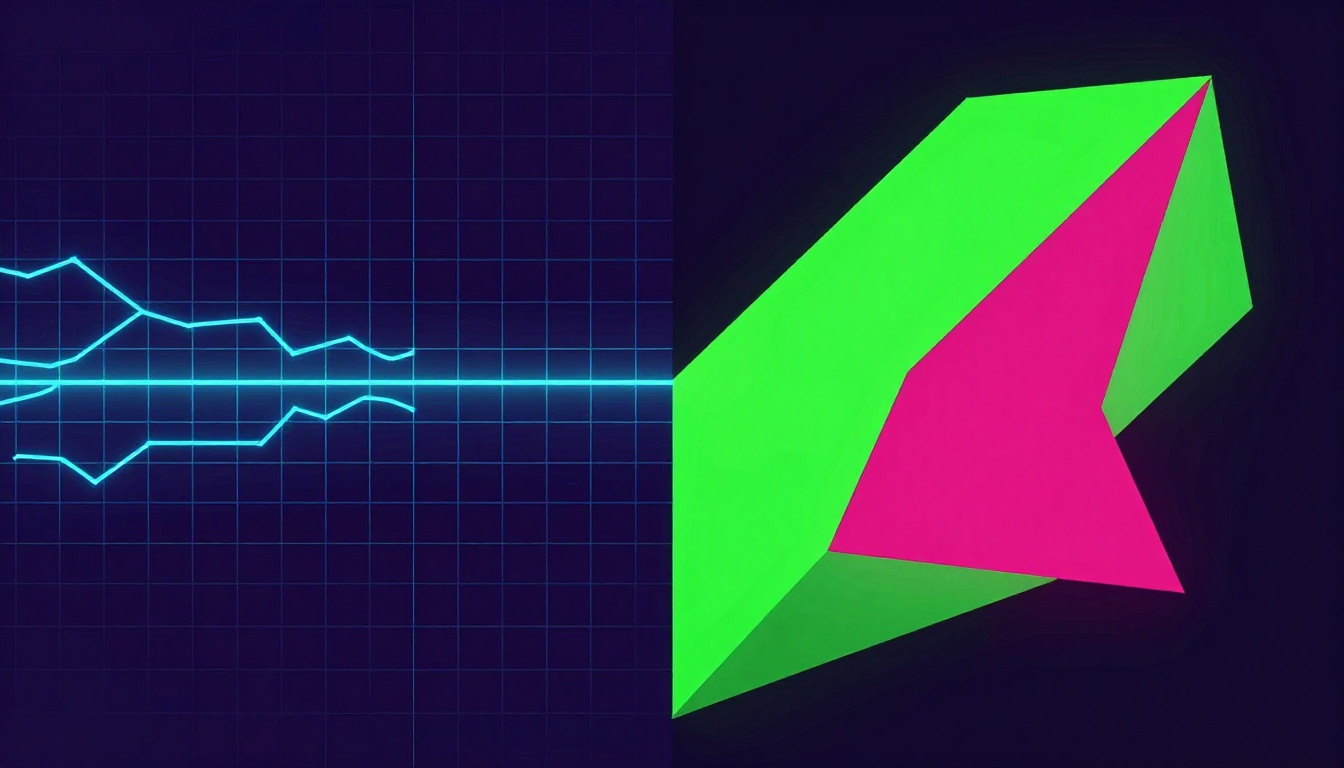
Ever felt lost in a sea of beats at a club, wondering why one track hits different from the next? Many folks mix up Techno and Electro, two giants in electronic dance music that sound alike but pull from separate worlds. Both grew from wild experiments with synths and machines back in the day, yet they carved out their own spots in the scene.
This piece breaks it all down for you. We’ll look at the history, sounds, feels, and even how they mix today. Whether you’re a DJ spinning sets, a producer tweaking knobs, or just a fan nodding along, you’ll walk away knowing exactly what sets Techno apart from Electro. Let’s dive in and clear the fog.
The Historical Roots: Forging Two Distinct Paths
Techno and Electro didn’t pop up overnight. They formed from city streets and garage studios, shaped by the times and tools around them. Each one tells a story of innovation and grit.
Techno’s Genesis in Detroit: Functionality and Futurism
Techno burst onto the scene in Detroit during the mid-1980s. The city faced tough times with factories shutting down, leaving a landscape of rust and empty lots. Young artists turned that energy into music that dreamed of a better tomorrow.
Key players were the Belleville Three: Juan Atkins, Derrick May, and Kevin Saunderson. They tinkered with Roland synths and drum machines in their homes. Atkins kicked it off with tracks under the name Cybotron, but true Techno came later. Think of the “black box” legend—a mysterious setup that spat out endless loops.
The focus stayed on repetition that pulled you in, like a machine in motion. It aimed for something pure and forward-looking, free from old rules. Detroit’s cold winters and auto industry vibes fed into this futuristic edge.
Electro’s Foundation in New York: Hip-Hop Meets Synth-Pop
Shift over to New York in the late 1970s and early 1980s. Electro rode the wave of Hip-Hop’s rise in the Bronx. Block parties thumped with breaks and rhymes, but someone cranked up the synths.
Afrika Bambaataa stands out here. His 1982 hit “Planet Rock” fused Kraftwerk’s robotic sounds with funky drum breaks. The Roland TR-808 drum machine became the star, with its booming bass and crisp claps. Producers grabbed it cheap and made magic.
Electro linked straight to street culture. Kids in parks and clubs danced to these electro-funk jams. It borrowed from disco’s groove but added electronic bite. Early tracks like Arthur Baker’s work showed how Hip-Hop beats met shiny synth lines, creating a bold new sound.
Sonic Signature: Analyzing the Core Rhythmic Differences
What really splits Techno from Electro? It’s in the beats and tones you hear. One feels like a steady train; the other punches with flair.
Tempo, Rhythm, and Groove: The BPM Divide
Techno usually runs at 125 to 150 beats per minute. That range keeps things driving, like a heartbeat in overdrive. The rhythm sticks to a solid 4/4 pattern—kick on every beat, no messing around.
Electro chills a bit slower, often 110 to 130 BPM. It adds syncopation, with off-beat hits that bounce more. Broken beats sneak in sometimes, giving it a hip-shake feel from its funk roots.
To spot the difference, listen close to the kick drum. In Techno, it thumps even and deep, pushing you forward. Electro’s kick snaps sharper, paired with claps that crack like fireworks. Try tracks by Richie Hawtin for Techno; for Electro, check Grandmaster Flash remixes.
Sound Palette and Texture: Synthesizers and Drum Machines
Techno’s sounds stay stark and metallic. Think cold synth pads that build over time, with hi-hats ticking like gears. Drum machines like the Roland TR-909 add that crisp edge, but everything loops in a hypnotic wash.
Electro goes bold with the 808’s roar. Basslines hit low and fat, while synth leads stab out melodies that stick. Claps and snares cut through, often abrasive and fun. It’s less about endless fade; more about punchy layers.
Take Jeff Mills’ early work—pure Techno minimalism with sparse percussion that evolves slow. Now contrast Cybotron’s “Clear”—Electro’s heavy bass sequences demand attention right away. These choices shape how each track lands in your ears.
Structural and Emotional Intent
Beyond beats, it’s about how tracks build and what they stir inside. Techno loops you in a trance; Electro tells a quick story.
Repetition vs. Narrative: Compositional Philosophy
Techno thrives on cycles. Tracks repeat motifs that shift just enough to keep dancers locked in for hours. Minimalism rules—no big drops, just steady build. It’s like a conveyor belt at a factory, reliable and immersive.
Electro mixes repetition with breaks. Melodic hooks pop up, and fills add surprise. From its Hip-Hop side, it layers complexity, like stacking rhymes over beats. You get verses of groove before a sharp turn.
This setup suits Techno for long sets in warehouses. Electro fits quick club bursts or even radio play back then. Both repeat, but one hypnotizes; the other narrates.
Emotional Resonance and Vibe
Techno often feels dark and inward. Industrial echoes bring tension, like exploring a foggy city at night. It pulls you deep, maybe even moody or reflective.
Electro sparks energy that’s raw and playful. Street aggression mixes with dance joy, rooted in block-party fun. It’s aggressive yet inviting, like a crowd hyped on fresh beats.
Picture a Techno rave in an abandoned plant—eerie lights, endless pulse. Electro? A summer block bash with synths blasting defiance. Each vibe draws different crowds and moods.
The Evolution and Crossover: Modern Interpretations
These genres didn’t freeze in time. They grew, split, and borrowed from each other in today’s scene.
Modern Techno Subgenres: Pushing Boundaries
Techno branched out big. Minimal Techno strips it bare, with tiny sounds in vast space—think Richie Hawtin’s Plastikman sets. Dub Techno adds echo and reverb, like Basic Channel’s warm delays.
Hard Techno ramps up speed and aggression, perfect for intense raves. All keep the 4/4 core but tweak textures. From Berlin clubs to global festivals, it adapts without losing grip.
Electro’s Revival and Influence on Bass Music
Electro made a comeback in the 2000s with Electroclash, blending it with punk attitude—Fisher Spooner nailed that. Now, it’s “bold” styles with fat 808s leading the charge.
It feeds into Bass Music heavy. Think trap and dubstep owing those deep kicks. UK Garage and Grime twist Electro’s syncopation too. Streaming stats show a spike: classic tracks like “Planet Rock” jumped 40% in plays after 2010s DJ revivals on platforms like Spotify.
Crossovers happen. Producers mash Techno repetition with Electro bass for hybrid bangers. It keeps the family tree alive.
Key Takeaways: Summarizing the Techno vs. Electro Distinction
So, what’s the quick split? Here’s a table to nail it down:
| Aspect | Techno | Electro |
|---|---|---|
| Origin City | Detroit | New York |
| Dominant Drum Machine | Roland TR-909 (crisp hi-hats) | Roland TR-808 (booming bass) |
| Typical BPM | 125–150 | 110–130 |
| Primary Feeling | Hypnotic, futuristic, introspective | Energetic, funky, aggressive |
As electronic historian Simon Reynolds puts it, “Techno builds toward tomorrow’s machines; Electro remixes yesterday’s streets.” That sums the purpose gap perfectly.
These points help you pick tracks smart. Use them to build sets that flow right.
Conclusion: Defining Your Sound
Techno and Electro share electronic blood, but their paths diverge in history, beats, and heart. Techno drives with relentless loops and a forward gaze. Electro punches with funky edges and street soul.
Armed with this, you can choose wisely. Producers, layer those 808s for Electro flair or strip to minimal for Techno depth. DJs, mix them for fresh transitions—start slow with Electro, build to Techno peaks.
Try this challenge: Grab “Strings of Life” by Derrick May for Techno, “Nunk” by Warp 9 for Electro. Isolate the kicks and synths. Play them back-to-back. You’ll feel the difference stick. Now go shape your playlist— the dance floor awaits your sound.