










One of the world’s iconic adventures is the Everest Base Camp Trek. It may be frightening for beginners as it involves high altitude, long walking days, and remote mountain terrain. However, with the right preparation, it is definitely doable and quite gratifying.
This complete guide will lead you step-by-step on what you must know before your first trek to Everest Base Camp (EBC).
What is the Everest Base Camp Trek?
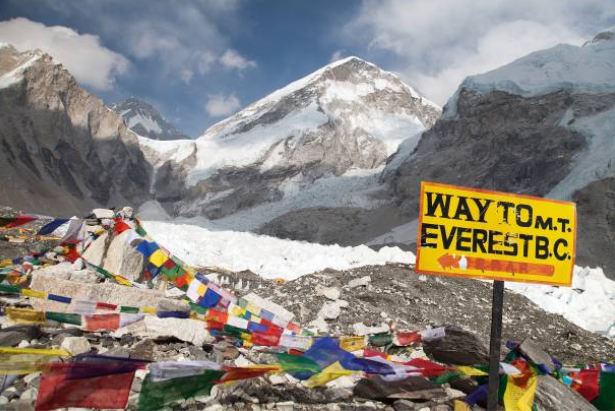
On the trek to Everest Base Camp, you adventure into Nepal’s Khumbu region and end up at the foot of Earth’s highest peak, Mount Everest (8,848.86 m). Generally, the trek only reaches the base camp that is situated at a height of 5,364 meters (17,598 ft).
In mountaineering climbing by technical means is necessary whereas this is different. Hence, only physically fit and naturally very determined newcomers may join this open activity.
Typical Itinerary for Beginners
Most beginners follow a 12–14 day itinerary that allows proper acclimatization.
Sample itinerary:
- Day 1: Fly to Lukla, trek to Phakding
- Day 2: Trek to Namche Bazaar
- Day 3: Acclimatization day in Namche
- Day 4–5: Trek to Tengboche & Dingboche
- Day 6: Acclimatization in Dingboche
- Day 7–8: Trek to Lobuche & Gorak Shep
- Day 9: Visit Everest Base Camp
- Day 10: Hike Kala Patthar (best Everest view)
- Day 11–14: Return trek to Lukla
How Difficult is the Trek?
The Everest Base Camp Trek is considered moderate to challenging, mainly due to:
- Long trekking hours (5–7 hours daily)
- High altitude and lower oxygen levels
- Steep ascents and descents
Good news for beginners:
You don’t need prior trekking experience, but you should have:
- Basic fitness
- Ability to walk long distances
- Mental endurance
Altitude Sickness: What Beginners Must Know
Altitude sickness is the biggest challenge on the EBC trek.
Common symptoms:
- Headache
- Nausea
- Dizziness
- Fatigue
Prevention tips:
- Ascend slowly (follow itinerary)
- Stay hydrated
- Avoid alcohol
- Take acclimatization days seriously
If symptoms worsen, descend immediately—this is critical.
Best Time to Trek
The best seasons for beginners are:
Spring (March–May)
- Mild temperatures
- Clear views
- Blooming rhododendrons
Autumn (September–November)
- Best visibility
- Stable weather
- Peak trekking season
Avoid if beginner:
- Monsoon (rain, poor visibility)
- Deep winter (extreme cold)
Packing List Essentials
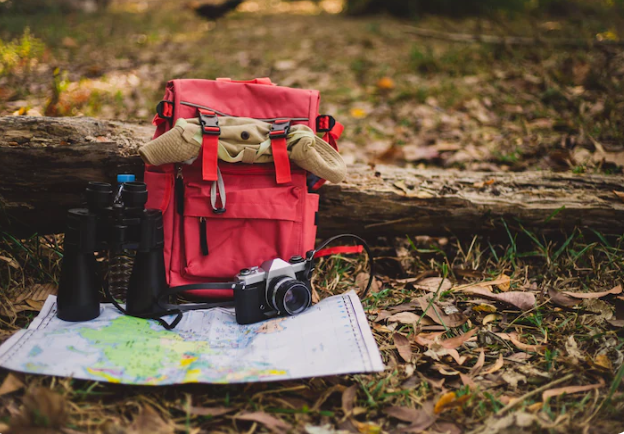
Packing correctly is crucial for comfort and safety.
Must-have items:
- Down jacket
- Thermal layers
- Waterproof jacket
- Trekking boots
- Sleeping bag (-10°C to -15°C)
- Trekking poles
- Headlamp
- Water bottle & purification tablets
Tip: Travel light—your backpack should not exceed 10–12 kg.
Accommodation & Food
You will stay in tea houses (mountain lodges) along the route.
Accommodation
- Basic twin-sharing rooms
- Shared bathrooms
- Limited heating
Food
- Dal Bhat (rice, lentils, vegetables)
- Noodles, soups, pasta
- Tea, coffee, snacks
Food gets more expensive as you go higher due to transportation costs.
Cost of Everest Base Camp Trek
The cost varies depending on your travel style.
Estimated cost for beginners:
- Budget: $900 – $1,200
- Standard: $1,200 – $2,000
- Luxury: $2,500+
Cost includes:
- Permits
- Flights to Lukla
- Accommodation & food
- Guide/porter (if hired)
Do You Need a Guide?
For beginners, hiring a guide is highly recommended.
Benefits:
- Navigation support
- Safety monitoring
- Cultural insights
- Help in emergencies
Solo trekking is possible, but not ideal for first-timers.
Highlights of the Trek
Some unforgettable moments include:
- Standing at Everest Base Camp
- Sunrise from Kala Patthar
- Exploring Namche Bazaar
- Visiting Tengboche Monastery
- Walking alongside the Khumbu Glacier
Final Tips for Beginners
- Train at least 4–6 weeks before the trek
- Walk regularly and build stamina
- Stay hydrated at all times
- Pack smart, not heavy
- Listen to your body
Conclusion
The Everest Base Camp Trek for beginners isn’t only a physical challenge; it offers a whole new perspective on life as you pass through some of the world’s most scenic places.
With adequate training, a great attitude, and consistency, newbie trekkers are able to accomplish the task of climbing Everest Base Camp and having an extraordinary experience.
If a dream of being near Mount Everest is what lives in your mind, then today should be your first day to think about your trip to Nepal and its surroundings.