


Leaking pipes are one of the most common plumbing problems in homes. Even a small leak can waste water, increase bills, and damage walls, floors, and ceilings. Many homeowners ignore early signs, but over time, leaks can turn into serious plumbing emergencies.
Understanding why pipes leak and how to fix them can help you protect your home and avoid expensive repairs.
In this article, we will explain the most common causes of leaking pipes and simple ways to fix them.
Table of Contents
ToggleWhy Pipe Leaks Should Never Be Ignored
A leaking pipe may look like a small issue, but it can lead to big problems such as:
- Water damage to walls and floors
- Mold and mildew growth
- Weak home structure
- Higher water bills
- Electrical hazards in severe cases
Fixing leaks early saves money and protects your home.
1. Corrosion in Old Pipes
One of the biggest causes of leaking pipes is corrosion. Over time, metal pipes can rust and weaken.
Why Corrosion Happens
- Old plumbing systems
- Hard water minerals
- Chemical reactions inside pipes
Signs of Corrosion
- Rust-colored water
- Weak or thin pipe walls
- Frequent small leaks
How to Fix It
- Replace old pipes with new ones (PVC or copper)
- Install a water softener to reduce mineral buildup
- Schedule regular plumbing inspections
2. High Water Pressure
Too much water pressure can damage pipes and cause leaks.
What Happens
High pressure puts stress on pipe joints and connections, eventually causing cracks or bursts.
Signs of High Water Pressure
- Banging sounds in pipes
- Frequent leaks
- Sudden pipe damage
- Running toilets
Solution
- Install a pressure regulator
- Get water pressure tested by a plumber
- Reduce pressure to safe levels
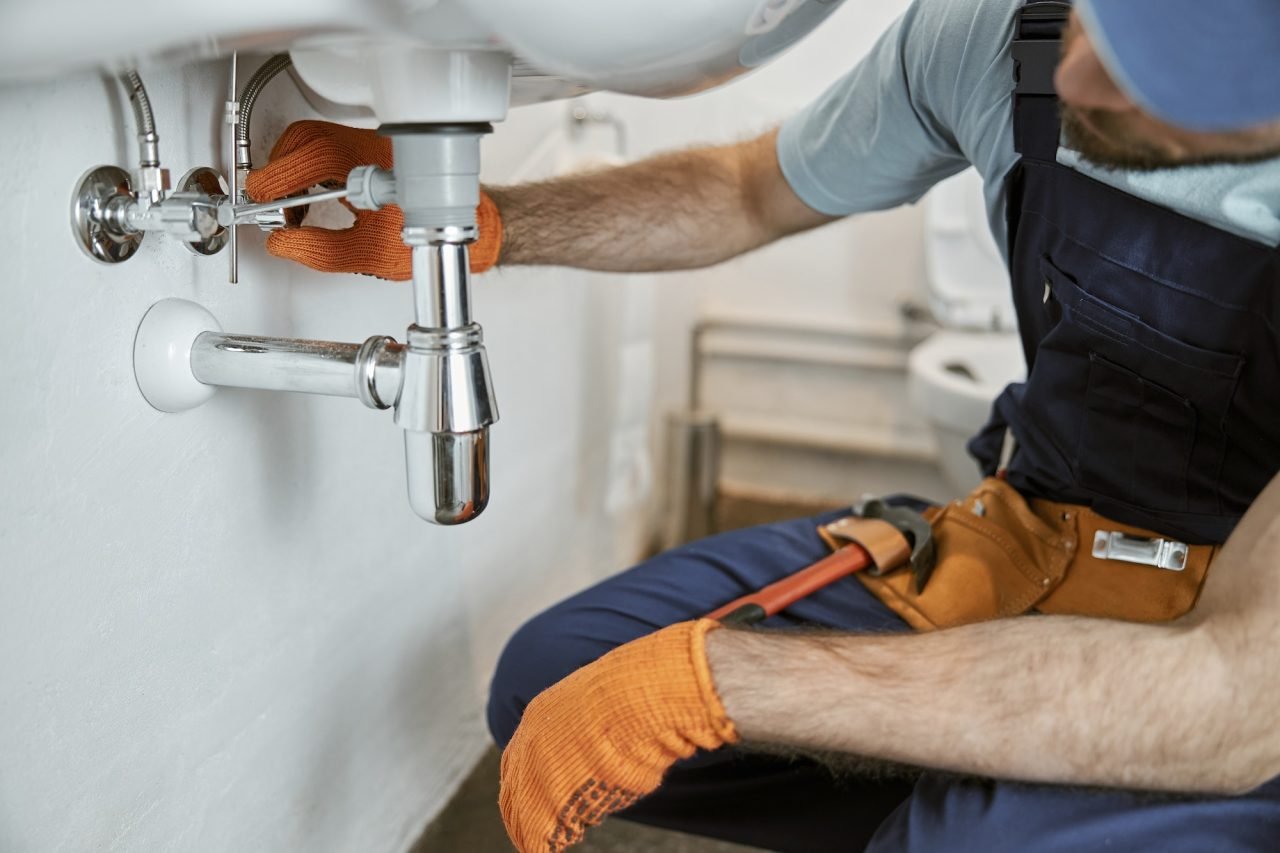
3. Loose Pipe Connections
Pipes are connected using joints and fittings. Over time, these connections can loosen.
Causes
- Vibrations from water flow
- Poor installation
- Aging plumbing systems
Signs
- Water dripping from joints
- Wet spots under sinks
- Small leaks around fittings
Fix
- Tighten loose connections
- Replace damaged fittings
- Use plumber’s tape for sealing small gaps
4. Temperature Changes and Freezing
Cold weather can cause pipes to freeze and crack.
What Happens
When water freezes inside pipes, it expands and puts pressure on the pipe walls, leading to cracks.
Signs of Frozen or Burst Pipes
- No water flow
- Frost on pipes
- Sudden leaks after thawing
Solution
- Insulate pipes in cold areas
- Keep indoor heating consistent
- Repair or replace burst sections immediately
5. Clogged Pipes and Blockages
Blocked pipes can increase pressure inside the system and lead to leaks.
Common Causes of Blockages
- Grease and oil buildup
- Hair and soap residue
- Food waste
- Foreign objects
Signs
- Slow drainage
- Gurgling sounds
- Water backup
Fix
- Use professional drain cleaning services
- Avoid chemical cleaners that damage pipes
- Schedule regular maintenance
6. Damaged Pipe Joints
Pipe joints are weak points in plumbing systems and often leak first.
Causes
- Poor installation
- Aging materials
- Pipe movement over time
Signs
- Water around pipe connections
- Damp cabinets or walls
- Mold near plumbing areas
Fix
- Replace damaged joints
- Use strong sealing materials
- Hire a professional plumber for proper repair
7. Tree Root Intrusion
Tree roots can grow into underground pipes in search of water.
What Happens
Roots enter small cracks and expand, breaking pipes further.
Signs
- Frequent sewer backups
- Slow drains throughout the house
- Unpleasant odors outside
Solution
- Professional root removal
- Pipe replacement in severe cases
- Regular sewer line inspections
8. Poor Installation Work
Sometimes leaks happen because the plumbing system was not installed correctly.
Issues Include
- Weak pipe joints
- Wrong pipe materials
- Improper sealing
Solution
- Reinstall affected sections
- Hire licensed plumbers for repairs
- Inspect plumbing after installation work
How to Fix Leaking Pipes (Step-by-Step)
If you notice a leak, here are basic steps to handle it safely:
Step 1: Turn Off Water Supply
Stop the water flow to prevent further damage.
Step 2: Locate the Leak
Check under sinks, walls, or visible pipes.
Step 3: Dry the Area
Use towels to clean the leaking area for better inspection.
Step 4: Temporary Fix
- Use pipe tape
- Apply pipe clamp
- Use epoxy for small leaks
Step 5: Call a Professional
For permanent repair, always contact a licensed plumber.
In many cases, homeowners rely on experienced experts like plumbers sandy ut to fix serious pipe leaks safely and correctly.
How to Prevent Pipe Leaks
Prevention is always better than repair.
Helpful Tips:
- Avoid using too much water pressure
- Insulate pipes in winter
- Clean drains regularly
- Do not pour grease into sinks
- Fix small leaks immediately
- Schedule yearly plumbing inspections
When to Call a Plumber
Call a professional immediately if you notice:
- Large or sudden leaks
- Water stains on walls or ceilings
- Burst pipes
- Low water pressure
- Mold growth near plumbing
Quick action prevents expensive damage.
Final Thoughts
Leaking pipes are a common but serious plumbing issue that every homeowner should understand. From corrosion and high water pressure to freezing and poor installation, there are many causes of leaks.
The good news is that most leaks can be repaired quickly if caught early. Regular maintenance, proper care, and professional inspections can keep your plumbing system working smoothly for years.
By understanding these causes and solutions, homeowners can protect their property, save money, and avoid major plumbing emergencies in salt lake city.