


An anode rod is a crucial metal rod inside your water heater that attracts corrosive minerals to protect the tank from rusting. Chicago’s hard water causes these rods to degrade faster than normal. Getting an anode rod replacement every three to five years prevents costly leaks, eliminates rotten egg smells, and can double the lifespan of your appliance.
Living in the Midwest means dealing with notorious hard water that silently damages home appliances. The high mineral content constantly attacks your plumbing system. One of the most important but often overlooked maintenance tasks for local homeowners is checking the water heater anode rod.
If you ignore this hidden component, your entire tank can rust from the inside out. This leads to massive leaks, water damage, and the hefty cost of premature water heater failure. Finding a reliable anode rod replacement water heater Chicago expert can save you thousands of dollars in the long run.
In this guest post, you will learn exactly what an anode rod is and the clear warning signs of a failing rod. We will also explore the effects of local water quality and the benefits of hiring a professional to handle the job for you.
What is an anode rod and how does it protect your water heater?
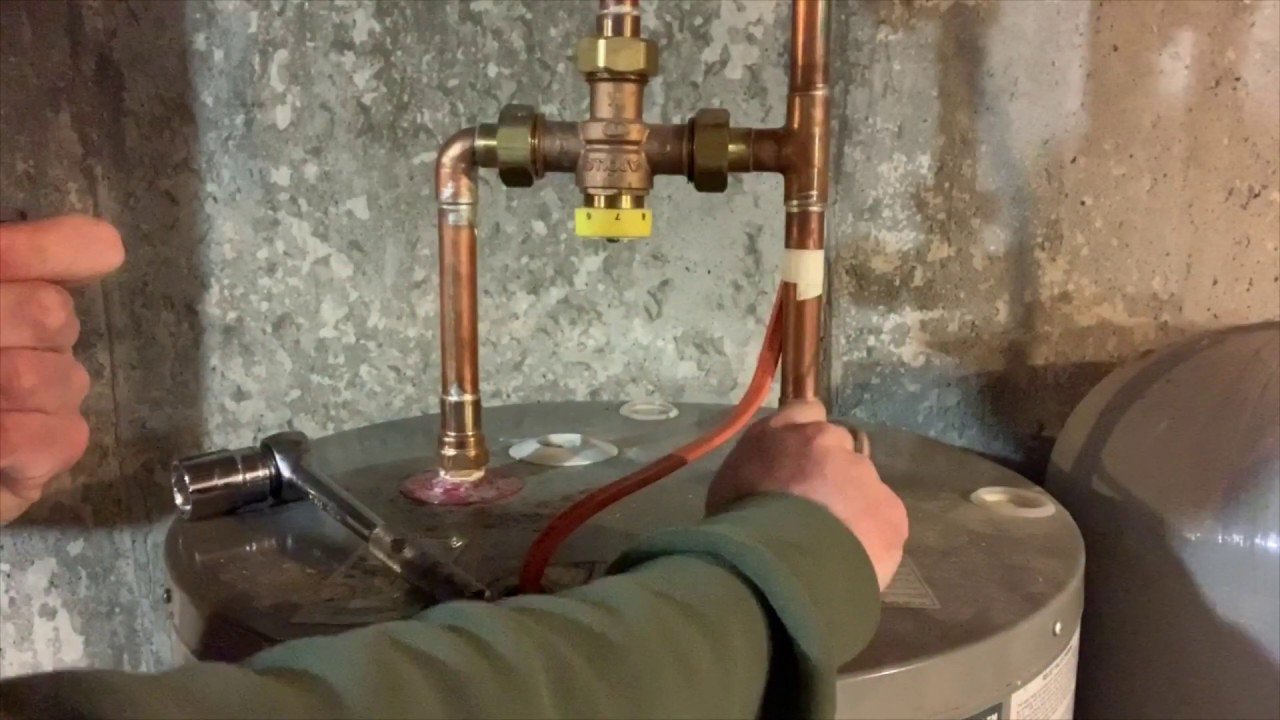
The anode rod serves as the “sacrificial lamb” of your water heater. This long metal rod screws into the top of the tank and extends downward into the water. Because of the specific metals used to make the rod, it attracts the corrosive elements present in the water supply.
Instead of the water eating away at the steel lining of your water heater tank, it attacks the anode rod. Over time, the rod completely degrades to save the actual water heater tank.
Manufacturers typically use three different materials for anode rods:
- Magnesium: This is the most common material. Magnesium offers excellent protection but tends to break down very quickly in homes with hard water.
- Aluminum: Aluminum rods handle hard water better than magnesium and are highly effective at attracting corrosive elements.
- Zinc: Zinc is actually an aluminum rod with a small portion of zinc added. This combination specifically fights off the sulfur bacteria that cause foul odors in your water supply.
Signs You Need to Replace Anode Rod in Water Heater Chicago
You do not have to wait for your tank to leak to know there is a problem. There are several physical indicators that your anode rod is failing. If you notice any of these issues, it is time to schedule a service to replace anode rod in water heater Chicago.
- Rusty or discolored water: If the hot water coming from your faucets looks brown or rusty, the anode rod has likely deteriorated completely. The water is now rusting the inside of your tank.
- A “rotten egg” smell: Sulfur bacteria thrive in warm water environments. If your hot water smells like rotten eggs, the anode rod is no longer effectively neutralizing these bacteria.
- Popping or rumbling noises: As the rod breaks down and minerals accumulate, sediment builds up at the bottom of the tank. When the water heater heats up, water trapped under this sediment boils and creates popping or rumbling sounds.
Quick Inspection Checklist for Homeowners:
- Check the color of your hot water by filling a clear glass.
- Smell the hot water directly from the tap.
- Listen closely to the water heater tank while it is actively heating.
- Check the installation date on the unit to see if it is older than three years.
How does Chicago water quality impact your water heater?
Regional water hardness significantly accelerates the corrosion of anode rods. The water supply in the Midwest contains high levels of calcium and magnesium. These minerals aggressively attack the internal components of your plumbing infrastructure.
While a standard anode rod might last up to five years in an area with soft water, local water quality often cuts that typical lifespan down to just two or three years. The heavy mineral content causes the sacrificial rod to degrade at a rapid pace. Because of this, frequent inspections are specifically necessary for residents in this region to prevent total tank failure.
Should you attempt DIY or hire a Chicago water heater anode rod service?
Many handy homeowners consider replacing the anode rod themselves to save a few dollars. However, this job presents several significant challenges that make professional assistance a much smarter choice.
Attempting a DIY replacement requires dealing with heavily rusted bolts that are nearly impossible to turn without industrial tools. You also have to safely drain the hot water tank and work in tight spaces with limited ceiling clearance. If you apply too much torque while trying to remove a stuck rod, you can actually crack the water heater tank or break the plumbing connections.
For example, a local homeowner recently tried to remove an old magnesium rod using a standard wrench. The bolt was completely fused to the tank. He applied so much force that he cracked the top of the heater, turning a simple maintenance task into a full appliance replacement project.
Hiring a dedicated Chicago water heater anode rod service guarantees safety and reliability. A professional plumber carries the right impact wrenches, knows how to safely flush the tank, and can replace the rod efficiently without risking further damage to your property.
Secure Your Water Heater’s Lifespan Today
Regular maintenance and timely rod replacement can easily double the lifespan of a water heater. The small cost of swapping out a degraded rod pales in comparison to replacing an entirely rusted tank and cleaning up a flooded basement.
Ignoring the warning signs will ultimately lead to total tank failure and expensive water damage in your home. Take action as soon as you notice rusty water, foul odors, or strange noises coming from your utility room.
Protect your home by contacting a trusted local plumbing expert for a thorough inspection or a hot water heater anode rod replacement chicago service. They will make sure your tank remains rust-free and functional for years to come.
Frequently Asked Questions (FAQ)
How much does it cost to replace an anode rod in Chicago?
A professional anode rod replacement typically costs between $200 and $300, depending on the type of rod needed and the accessibility of your water heater.
How long does an anode rod last in the Midwest?
Due to the high mineral content in the local water supply, most anode rods in this region last between two and four years before requiring replacement.
Can I simply remove the anode rod without replacing it?
No. Removing the anode rod and leaving the tank unprotected will cause the water to immediately attack the steel lining. Your water heater tank will rust out and fail very quickly.
Which type of anode rod is best for smelly water?
An aluminum-zinc alloy rod is the best choice for eliminating smelly water. The zinc component actively kills the sulfur bacteria responsible for the rotten egg odor.