











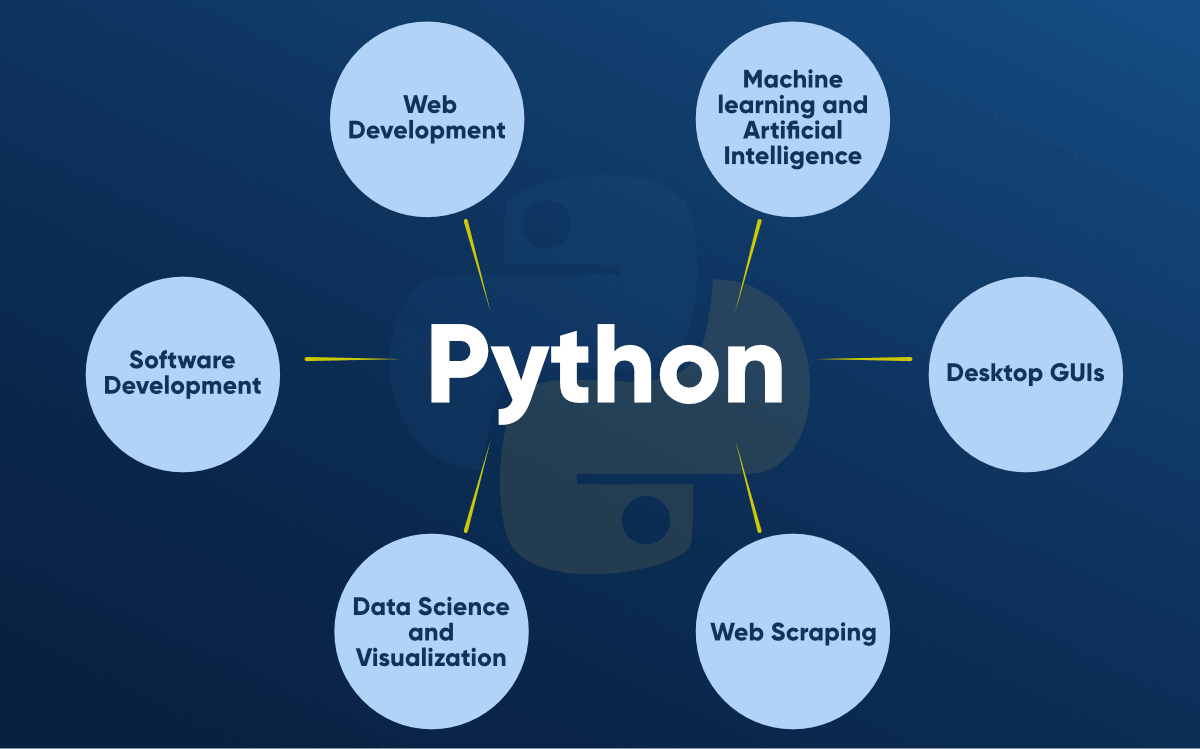
If you entered a computer science classroom ten years ago, you would see students hunched over keyboards, manually typing out every line of code, trying to build everything from scratch. The focus was on foundational syntax. Fast forward to 2026, and the landscape is unrecognizable. The introduction of Python automation—specifically the shift from writing code to orchestrating automation—has completely revolutionized what a computer science (CS) assignment actually looks like.
This is not just another trend; it’s a fundamental structural shift in education. For students today, the pressure is no longer just on learning loops and variables. It’s about how to use those loops to automate testing, deploy systems, or scrape massive datasets in seconds.
The Paradigm Shift: From Syntax to Orchestration
In the past, the core challenge of a CS assignment was often just getting the code to run without a syntax error. Professors judged performance on whether you understood the basic logic. Today, those foundational skills are taken for granted. In 2026, AI-powered IDEs (Integrated Development Environments) automatically correct syntax errors in real-time.
Consequently, the requirements for university projects have grown more complex. Assignments now demand that students use Python to manage complete workflows. A typical assignment is no longer: “Write a program that sorts a list.” It is now: “Write a script that pulls raw data from a public API, cleans it, runs it through a basic machine learning model, and automatically emails the report to the professor.”
The focus is now on orchestration. The challenge isn’t the individual commands; it’s connecting them to create a functional system.
The Role of Python as the “Glue” Language
Python’s resurgence as the defining language of 2026 CS assignments isn’t because it’s the fastest executing language. It isn’t. But it is the most versatile and readable. In a world where academic assignments focus on integrating different technologies, Python is the ultimate “glue” language.
Consider a modern cybersecurity assignment. A student might need to test a theoretical firewall setup. In the old days, they might write a paper. In 2026, they write a Python script using libraries like Scapy to automate the sending of customized packets to test vulnerabilities. They don’t need to be experts in packet creation; Python abstracts that complexity, allowing them to focus on the overarching cybersecurity principles.
Similarly, in data science classes, students use automated libraries like Pandas and Selenium to handle data collection and cleaning. This automation means professors can assign much larger, real-world data projects, moving beyond the idealized, pre-cleaned datasets of the past.
The Automated Assignment Life Cycle: What Students Are Actually Doing
Let’s look at the lifecycle of a modern Computer Science project in 2026. Students are now expected to automate the development process itself, mirroring how things are done in the professional tech world.
- Requirement Gathering & Initial Code: A student receives an assignment. Instead of starting from scratch, they often use basic AI prompts within Python tools to generate a boilerplate structure.
- Continuous Integration (CI): Even basic undergraduate assignments now often require students to set up GitHub Actions. Every time they make a small change to their code (a “commit”), Python automation runs pre-written tests to check if the new code broke anything. If the tests fail, the automation alerts them immediately.
- Automated Testing: This is where the biggest shift has occurred. Instead of clicking through a program a dozen times to see if it works, students must write test scripts in Python that automatically check hundred of scenarios.
- Containerization & Deployment: The assignment may require the student to submit not just code, but a complete, runnable environment (like a Docker container). Python scripts automate the building and launching of this environment, ensuring the professor sees exactly what the student built.
This automated workflow is highly educational, but it places immense pressure on students. They are simultaneously trying to learn the theory of computer science and the technical overhead of DevOps (Development Operations) automation.
The Growing Skills Gap: Why Many Students struggle
This rapid shift has created a significant challenge in academia. While top-tier tech universities have integrated these new demands into their curricula, many students are feeling left behind. There is a massive skills gap between basic coding knowledge and the high-level orchestration required by automated projects.
It is no longer enough to be good at logic. You have to be proficient in system administration, cloud services, and API integration just to get a good grade on a final project. The result? Record high levels of student stress and burnout within the computer science major.
This gap is precisely where modern academic assistance comes into play. Because the demands have moved so far beyond simple tutoring, many students have turned to specialized resources for help. When the problem isn’t “how do I write a for-loop” but rather “how do I deploy this automated script to the cloud before midnight,” students often look for reliable computer science homework help that understands the current tech stack of 2026, not the curriculum of 2016.
Academic Integrity or Vital Resource? The Debate Reframed
The shift toward high-level automation has reframed the ethical conversation surrounding academic help. Ten years ago, hiring assistance for a coding assignment was often viewed simply as cheating. But in 2026, the lines are blurred. If a professor requires you to build an automated testing framework for a mobile app—a task that a professional DevOps engineer struggles with—is it cheating to consult an expert?
Many argue that using academic help for complex, automated projects is closer to modern “professional consulting” than traditional cheating. Students are essentially learning the skill of resource management, which is a key part of working in IT. If they can understand the solution provided by an assignment writing service and present why that specific solution works, they have still gained knowledge.
This perspective emphasizes a fundamental tenet of 2026 tech careers: You don’t need to know how to do everything yourself, but you must know how to get everything done.
Conclusion
As we look beyond 2026, the automation within computer science assignments will only intensify. What is a complex script today will be a single voice command tomorrow. But the fundamental skill will remain the same.
The future CS graduate isn’t a manual laborer of code; they are the architects of automated systems. They need the deep, foundational understanding of algorithms, but also the high-level, practical knowledge of how to connect the automated components that do the heavy lifting.
If universities fail to adapt their teaching styles, students will find external ways to bridge that knowledge gap. Those who embrace both the theory and the automation, and know where to look when the complexity exceeds their current knowledge, are the ones who will succeed in this new landscape.