











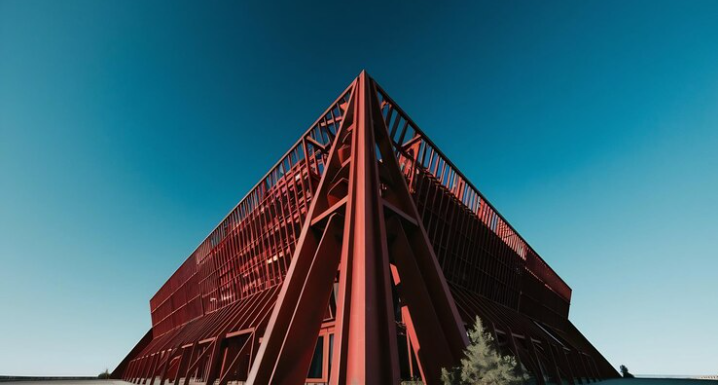
Imagine a skeleton that holds up skyscrapers, warehouses, and stores without breaking a sweat. That’s red iron in action. In construction, red iron means structural steel beams and columns coated with a red oxide primer. This setup gives buildings their backbone. You see it everywhere—from busy shopping malls to huge factories. Red iron buildings stand tall because of their tough design. They handle heavy loads and last for decades. In this guide, we’ll break down how these structures work, why they’re smart choices, and where they fit best.
Section 1: What Exactly is Red Iron in Construction?
Red iron sets itself apart in the building world. It’s not just any metal. Builders rely on it for frames that support big spaces. Let’s look closer at its makeup and process.
Composition and Material Specifications
Structural steel forms the core of red iron. This steel comes from iron mixed with carbon and small bits of other elements like manganese. It creates a strong alloy that resists bending. Most red iron uses A36 grade steel, which meets ASTM A36 standards. These rules ensure the material hits 36,000 pounds per square inch in yield strength. Higher grades like A992 offer even more power for tall builds. You get options based on your project’s needs. For example, beams might weigh 50 pounds per foot. This variety lets engineers pick the right fit.
The Significance of the Red Primer
The red color isn’t for looks. It’s a primer made from iron oxide that shields the steel. During making and shipping, this coat fights rust from moisture and air. It buys time before final paints go on. Compare it to galvanized steel, which uses zinc for full protection. Red primer works well in dry shops but needs extra layers outside. Paint systems add color and UV resistance. Builders often pick red oxide for its low cost and easy use. It sticks tight and covers even spots.
Fabrication Process: From Mill to Site
Steel starts at the mill as hot slabs. Workers roll them into I-beams or channels. Next comes cutting to exact lengths with plasma torches. Drilling holes for bolts happens in controlled shops. Welding joins pieces into trusses or frames. Then, the red primer sprays on for protection. All this prep cuts down on-site work. Precision matters here—measurements must match blueprints down to the inch. Once done, trucks haul the parts to the job. On arrival, cranes lift them into place. This factory method speeds things up and reduces errors.
Section 2: Structural Advantages of Red Iron Buildings
Why choose red iron over wood or concrete? It shines in strength and ease. These frames make buildings safer and quicker to build.
Unmatched Strength-to-Weight Ratio
Steel packs a punch without extra bulk. A red iron beam spans 100 feet while carrying tons. Concrete needs thicker slabs for the same job, adding dead load of up to 150 pounds per cubic foot. Wood can’t match that for wide openings. Data from the American Institute of Steel Construction shows steel uses 30% less material by weight. Lighter foundations mean less digging and cost. Think of it like a bird’s bones—strong but not heavy. This ratio lets you create open spaces without walls everywhere.
Speed and Efficiency in Erection
Assembly flies with red iron. Bolted connections snap together fast, often in days. Welds add strength where needed. A typical warehouse frame goes up in two weeks. Contrast that with poured concrete, which cures for weeks. Here’s a quick checklist for smooth erection:
- Review shop drawings before pouring footings.
- Check all bolts and nuts for size and grade.
- Use certified cranes rated for the loads.
- Align columns plumb within 1/8 inch.
Teams train for this, so mistakes stay low. You save on labor and weather delays.
Adaptability and Future Modification
Need to add a room later? Red iron makes it simple. Drill new holes or weld extensions without tearing down walls. Expand a factory by bolting on new bays. This flexibility beats rigid concrete. Over 50 years, you might reconfigure twice. Steel’s modulus of elasticity—around 29 million psi—lets it flex under stress. It’s like Lego blocks; you rearrange as life changes. This saves money on big rebuilds.
Section 3: Common Applications Across Industries
Red iron buildings pop up in many spots. They suit places needing space and durability. From shops to schools, here’s where they thrive.
Commercial and Retail Spaces
Big stores love red iron frames. They allow column-free floors up to 120 feet wide. Walmart often uses these for their supercenters. Open plans draw in shoppers without clutter. Showrooms for cars or furniture get high ceilings too. You avoid posts blocking views. This design boosts sales by making spaces feel larger.
Industrial and Manufacturing Facilities
Factories demand heavy support. Red iron holds cranes that lift 50 tons. Warehouses stack goods 40 feet high with ease. In auto plants, beams carry conveyor lines. Steel handles vibrations from machines better than wood. High bays let natural light flood in, cutting energy use. One steel-framed plant in Texas runs non-stop, proving its grit.
Institutional and Public Structures
Schools and hospitals pick red iron for safety. Frames meet strict seismic codes in quake zones. Hospitals need quick builds to open beds fast. A new gym in California used red iron to span courts without supports. Public halls last 75 years with low upkeep. These spots prioritize people, so steel’s fire ratings help.
Section 4: Durability, Maintenance, and Longevity
Red iron stands tough over time. But care keeps it that way. Let’s cover protection and life span.
Understanding Corrosion and Protection Strategies
Primer fades outdoors, so add topcoats. Epoxy paints block moisture for 20 years. In salty air, use cathodic protection with zinc anodes. Inspect joints yearly for chips. Clean with mild soap, not harsh chemicals. Proper layers mean less rust worries.
Fire Resistance Considerations
Steel softens at 1,000 degrees Fahrenheit. Fires can twist beams if unprotected. Intumescent coatings swell to insulate during heat. Spray-on fireproofing adds two-hour ratings. The International Building Code requires this for public builds, like Section 803.1.2. Test it to match your risk level.
Lifespan and Recyclability
A good red iron frame lasts 50 to 100 years. With care, some hit 150. At end of life, recycle 93% of it, per the Steel Recycling Institute. That’s green—less waste than concrete. Melt it down for new beams. You get value back while helping the planet.
Section 5: Economic Factors: Cost Analysis and ROI
Money talks in building. Red iron balances upfront spend with long gains. See how it pays off.
Initial Material and Labor Costs
Steel costs $1,000 to $2,000 per ton now, varying by region. Midwest prices dip lower than coasts. Erection runs $5 to $10 per square foot. Wood might save 10% at first, but steel erection takes half the time. Factor in permits—steel often qualifies faster.
Lifecycle Costing: Operational Savings
Over 30 years, maintenance drops 40% versus wood rot fixes. Steel envelopes seal tight for better HVAC. Energy bills fall 15% in well-insulated frames. No termite worries either. Total ownership cost beats alternatives by 20%.
Financing and Insurance Implications
Banks like durable builds. Red iron can snag lower interest rates. Insurers cut premiums 10% for fire-rated steel. Prove code compliance to get the deals. It’s a win for budgets.
Conclusion: The Enduring Value of Red Iron Framing
Red iron buildings blend power, quick setup, and easy changes. They power modern projects from stores to factories. You get reliable frames that adapt and endure. As construction grows, these steel systems lead the way.
Key takeaways:
- Speed of erection cuts weeks off timelines.
- High structural capacity spans big areas without extras.
- Adaptability allows tweaks as needs shift.
Ready to build strong? Talk to a steel specialist for your next project.