











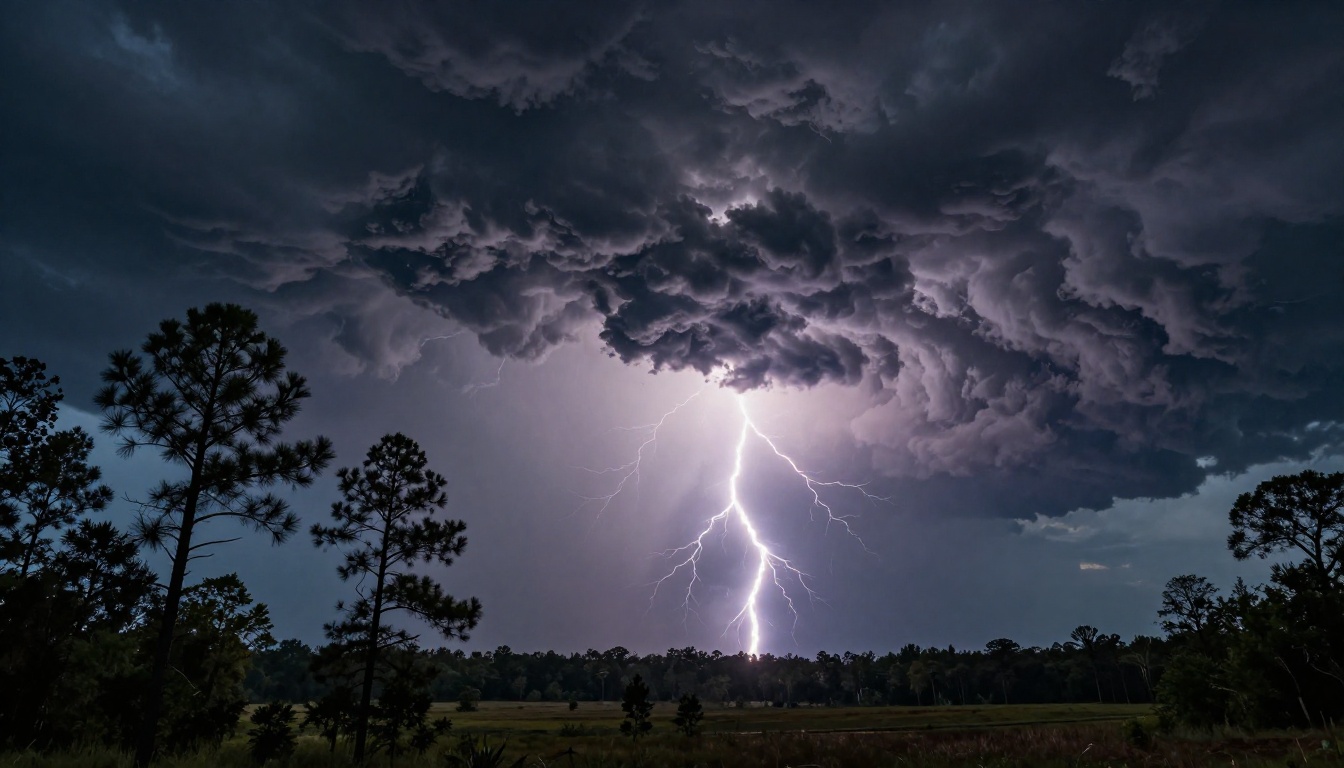
Multiple severe thunderstorm alerts have hit South Carolina hard this March 2026. Counties like Charleston, Berkeley, Dorchester, and Lexington face the biggest risks right now. The National Weather Service issued these warnings due to strong storms packing high winds and heavy rain. You need to act fast if you live there. Lives and homes could be at stake from sudden gusts up to 70 mph. Stay alert—safety comes first in this wild weather.
These storms bring more than just rain. Damaging winds topple trees and power lines. Large hail the size of golf balls can dent cars and roofs. Isolated tornadoes might spin up without much notice. South Carolina’s spring weather often turns fierce like this. Keep your eyes on updates to stay one step ahead.
Understanding the Alerts: Decoding the National Weather Service Warnings
What is the Difference Between a Watch and a Warning?
A watch means conditions favor severe thunderstorms in your area. Get ready now. You have time to secure things outside. But a warning says danger is here. Storms are spotted on radar or by spotters. Take cover right away.
The National Weather Service uses clear rules for these in South Carolina. Winds at 58 mph or stronger trigger a severe label. Hail one inch across or bigger counts too. In the Carolinas, these signs mean real trouble. Winds that fast can snap branches like twigs. Hail like that smashes windows without mercy.
Know the difference to make smart moves. A watch might last hours across wide zones. Warnings hit specific spots and demand quick action. Check your county often. Apps from the NWS make it easy.
Geographic Impact and Current Tracking
Alerts cover coastal spots like Charleston County and inland areas such as Lexington. Berkeley and Dorchester counties see the worst right now. Storms track from the west, pushing east toward the Atlantic. Rain bands could soak Charleston by afternoon.
Local NWS offices in Charleston and Columbia lead the charge. They watch radar screens non-stop. Forecast zones break the state into small parts for precise alerts. Trust their data—it’s based on real-time scans. Doppler radar spots storm speed and spin early.
These offices team up with state emergency folks. That keeps info flowing to you. If your county shows red on the map, head indoors. Updates change fast, so refresh your feed every 15 minutes.
The Dangers: Primary Threats Associated with SC Severe Storms
Damaging Winds and Structural Damage
Straight-line winds in these storms hit like a freight train. They rip roofs off homes and flip trailers. In South Carolina, gusts over 60 mph down power poles. That leaves thousands without lights for days.
Think back to the 2023 outbreak near Columbia. Winds knocked out power to 50,000 homes. Trees crashed into cars and blocked roads. Similar risks loom today. Your fence or shed could go flying too.
Prep helps cut the mess. Winds push debris like missiles. Stay inside when gales howl. Power crews work overtime after, but blackouts test your backup plans.
Hail Potential and Crop/Property Damage
Large hail forms in storm cores where air rushes up fast. It builds layers like an onion until it drops heavy. In South Carolina’s fields, this ruins corn and peach crops each spring. Farmers lose big from dents in their harvest.
Homes take hits too. Hail pings off siding and cracks windshields. Last year’s storm in Berkeley County left cars looking like Swiss cheese. Repair bills stack up quick.
Late March heat fuels these updrafts. Storms brew over warm ground. Hail the size of quarters stings, but bigger ones bruise. Cover your garden or boat if you can. Insurance covers some, but not the headache.
Flash Flooding and Localized Rainfall Rates
Heavy rain turns streets into rivers fast. South Carolina’s flat lands and swamps flood easy. Storms dump two inches per hour in spots. That swamps low roads and creeks.
Coastal towns like Mount Pleasant see tides rise with the downpour. Urban growth clogs drains in Columbia. Water rises knee-deep in minutes. Drivers stall out and face deadly currents.
Watch for orange flood alerts alongside thunder ones. Ditches overflow and pull folks under. Evacuate low spots early. Sandbags help, but nature wins if you wait.
Immediate Safety Protocol: Actionable Steps for Affected Residents
Securing Property Before the Storm Hits
Tie down patio chairs and grills tight. Winds grab loose items and hurl them far. Bring pets in from the yard—lightning scares them bad. Check your gutters; clear leaves to let water flow.
Pick an inner room on the ground floor. No windows there to shatter. Move bikes and trash cans to the garage. Lightning zaps electronics near glass, so unplug TVs and charge phones.
Walk your yard quick. Spot weak tree limbs and trim if safe. Board up if hail looks likely. These steps save cash on fixes later.
Staying Informed During the Event
Tune into NOAA Weather Radio for beeps on warnings. Local stations like WCSC in Charleston give live reports. Follow NWS Charleston on X for fast tweets.
Have a battery radio ready. Power fails often in storms. Apps like Weather Underground push alerts to your phone. Set them for your county only.
Tell family the plan. Kids need to know where to go. Multiple sources beat one bad signal.
Shelter-in-Place Procedures
When a warning sounds, drop everything and move inside. Head to your safe room now. Crouch low under sturdy furniture if winds rage.
Stay away from doors and glass. Lightning flashes bright—cover your eyes. Wait out the roar; it passes in 30 minutes max.
If outside, find a solid building. Ditch the car if hail pounds. Call 911 only for real danger.
Post-Storm Recovery and Reporting Damage
Assessing Damage Safely
Step out slow after the all-clear. Watch for live wires sparking on wet ground. They kill fast—keep distance. Sniff for gas smells from leaks; shut off if you find one.
Trees lean funny? Don’t touch. They might fall. Wet roads slip easy, so drive slow. Check neighbors too, but help from afar.
Wait for pros on power lines. Touching them shocks you dead.
Documenting Losses and Reporting to Authorities
Snap photos of every dent or break. Start with wide shots, then close-ups. Videos show wind paths better. Note the time and date for claims.
Call your insurance agent same day. They guide the next steps. For big floods, contact county emergency management. Sites like scemd.org list hotlines.
File reports online if power’s back. Keep records neat. Aid comes faster with proof.
Conclusion: Preparedness is the Best Defense Against SC Weather Extremes
Severe thunderstorm alerts in South Carolina demand quick wits this March 2026. Winds, hail, and floods hit counties like Charleston and Lexington without pity. But knowing watches from warnings saves lives. Secure your spot, stay plugged in, and shelter smart.
You cut risks by half with prep. Real stories from past storms prove it. Check NWS updates daily now. Stay safe out there—better weather’s coming soon.