







The AC fails, and now your entire home is suffering because of this. The temperature outdoors is high, and despite the fans, there is no relief. You have no clue what the cause of the failure was and who you can turn to for help. This is what happens to almost all Colorado Springs residents when their system fails.
AC repair in Colorado Springs peaks in July and August when every HVAC company in the city is already slammed. The homeowners who get taken care of fastest are the ones who knew what was going wrong before the system completely quit. The ones who ignored the signs for weeks are the ones waiting the longest for help.
This blog tells you what to watch for, what the most common problems actually are, and what happens when you call a real AC repair professional to fix it.
Signs Your AC Is in Trouble
Your system doesn’t just quit without warning. It gives you signals for days or weeks before it stops working completely. Most people miss them because the AC is still technically running and the house is still technically cooling. Until one day it isn’t.
- The house takes forever to cool down, even when the system runs all day
- Some rooms are cold, and others never get warm, no matter what
- The system kicks on and off every few minutes instead of running steady cycles
- Energy bills went up, but nothing changed about how much you use the AC
- There’s a hissing, rattling, grinding, or banging sound coming from any part of the system
- Ice is forming on the refrigerant lines or on the indoor unit
- Water is dripping from the indoor unit or pooling somewhere it shouldn’t be
- There’s a burning smell or a musty smell when the system runs
Any of these means something is already wrong. Waiting to see if it gets better doesn’t work with AC problems. They don’t get better on their own.
Most Common AC Repair Problems
These are the issues that show up most often on AC repair Colorado Springs calls. Knowing what they are helps you describe the problem clearly when you call, and helps you understand what the technician is talking about when they diagnose it.
Compressor Problems
The compressor is the most critical component in the whole system. It’s what actually moves refrigerant through the system to pull heat out of your home. AC compressor repair is one of the more serious calls we go on because when the compressor fails, there’s no cooling at all. Catch it early, and repair is possible. Wait until it ceases completely, and the conversation changes significantly.
AC Duct Repair
Weak airflow in certain rooms while other rooms feel fine is almost always a duct problem. AC duct repair covers leaks, disconnected sections, and collapsed ductwork. A system with serious duct leaks runs constantly and still can’t maintain a consistent temperature throughout the home. It’s also wasting a significant amount of energy every single day it runs that way.
Electrical Component Failures
Capacitors, contactors, and relays are electrical components inside the system that wear out over time. A bad capacitor is actually one of the most common reasons an AC won’t start or won’t run properly, and it’s also one of the more straightforward repairs when it’s caught before it takes out other components. Electrical problems that get ignored tend to cascade and cause damage to more expensive parts over time.
Frozen Coils
Ice on the indoor unit or on the refrigerant lines means the system is in trouble. Frozen coils almost always come from either low refrigerant or severely restricted airflow from a clogged filter. Running the system while the coils are frozen does real damage to the compressor. If you see ice, turn the system off and call for AC repair before running it again.
When It Becomes an Emergency
Some AC repair situations can wait a day or two. Others can’t.
Emergency AC unit repair becomes necessary when the system fails during extreme heat, when there’s a burning smell or visible sparking near any part of the system, when there’s a refrigerant leak that you can smell or see ice forming rapidly, or when vulnerable people in the home, including children, elderly family members, or pets, are at risk from the heat inside.
Colorado Springs temperatures push into the 90s during summer heat waves, and a home without AC during those days can get genuinely dangerous fast. If any of these situations apply, call for emergency service immediately rather than waiting for the next available regular appointment.
Window Air Conditioner Repair
Not every property runs a central system. A lot of Colorado Springs apartments, older homes, and smaller spaces run on window units, and calls from window air conditioner repairmen are more common than people think.
Window units have the same core components as central systems on a smaller scale. The compressor can fail. The capacitor can go bad. The coils get dirty, and the unit stops cooling efficiently. Filters clog, and the unit runs but can’t keep up with the heat.
Some window unit repairs make sense to do. Others, especially compressor failures on older units, don’t make financial sense compared to replacing the unit entirely. A technician who looks at the unit honestly tells you which situation you’re in rather than defaulting to whatever costs more.
What a Professional AC Repair Visit Actually Looks Like
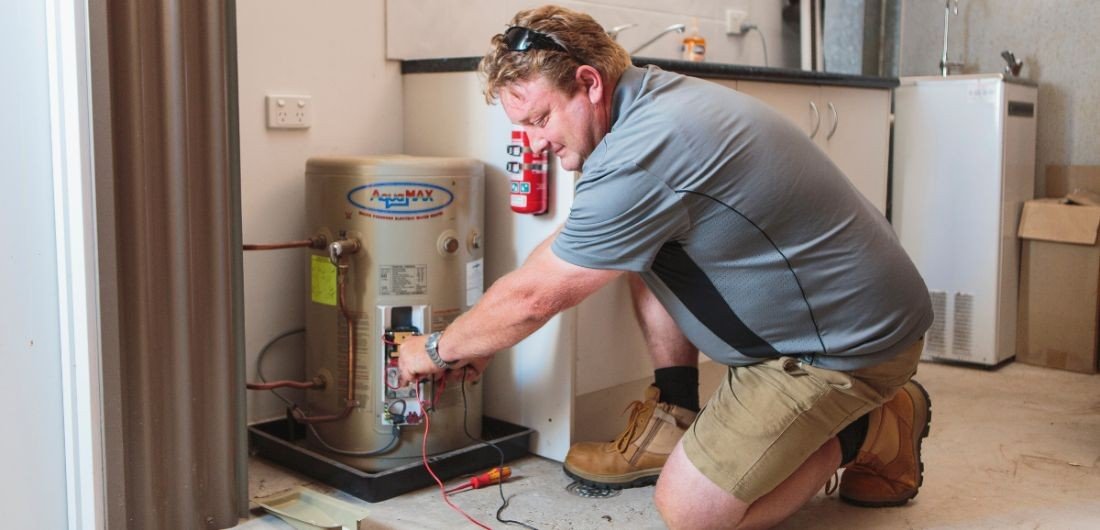
When a real AC repair professional shows up at your home, here’s what should actually happen.
They do not make a guess. A complete diagnostic process follows, where they test for the pressure of the refrigerant, the performance of the electrical parts, airflow, the condition of the coils, and the functioning of the thermostat. They identify what is causing the fault, rather than focusing on the fault alone.
Testing of everything takes place after the work has been done. The unit undergoes a complete cycle, and they can verify that the fault has been corrected.
Repair or Replace: What Makes More Sense
This question comes up on a lot of AC repair Colorado Springs calls, and the honest answer depends on the age of the system and what the repair actually involves.
A system under ten years old with one clear problem is almost always worth repairing. The unit has real life left and a targeted fix is a much better outcome than replacing something that doesn’t need to be replaced yet.
A system over fifteen years old that’s on its second or third significant repair in a short period is starting to tell you something. Each repair buys you a little more time but the system is aging out and the next problem is usually not far behind.
AC compressor repair on a very old system is where this conversation gets real. A compressor replacement is a major repair, and putting that money into a system that’s at the end of its life means spending repair money and replacement money within a short window of each other.
FAQs
Our AC runs all day, but the house never gets below 80 degrees. What’s going on?
Low refrigerant, dirty coils, or serious duct leaks are the most common causes of a system that runs constantly but can’t keep up.
How do we know if our ducts are leaking and causing airflow problems?
Uneven cooling between rooms and a system that runs constantly without reaching the desired temperature are the most obvious signs of duct issues.
Can we wait a week for an appointment, or does this need emergency AC repair today?
If it’s extremely hot outside and vulnerable people are in the home, don’t wait heat becomes a safety issue fast in a Colorado Springs summer.
Conclusion
A Colorado Springs summer without working AC is not something anyone wants to experience. Knowing the signs that something is wrong, understanding what the most common problems actually are, and calling a real AC repair professional before a small issue becomes a total system failure, that’s what makes the difference between a one-hour repair call and a much more expensive situation. Don’t wait until the hottest week of the year to find out your system can’t keep up.
AC Not Working Right in Colorado Springs?
Stop putting it off. Contact Local HVWC Repair Experts for AC repair in Colorado Springs, and let’s figure out what’s actually going on before it turns into a bigger problem than it needs to be.