






One of the things that we need to do at home is install a sink drain. Knowing how to install a sink drain helps to solve the issue in the kitchen or the bathroom without creating any stress. It helps to save your time when you get to replace the damaged components as well. We will keep things simple and break it down into easily understood steps in this guide.
How to install a sink drain and connect the pipes
A plumber is the one who installs a sink drain properly and ensures that it will last for longer. When not installed properly, sink drains can become blocked. The plumber starts by putting the drain body in the sink hole. To ensure complete tightness and security of the drain body, the plumber uses rubber gaskets and locking nuts. Then the plumber hooks up the P-trap to the drain body to stop the smell from coming back up into the pipes of the sink. After making all the connections, the plumber tests the system by running the water to verify that the connections are properly sealed and are functioning well.
How to install a bathroom sink drain
Bathroom plumbing work is also done by trained professionals to avoid mistakes and water leaks. To install a bathroom sink drain the old drain parts are first removed carefully. The sink opening is cleaned before new fittings are installed. A special compound is applied to make sure the fit is tight and secure.
The new drain unit is then fixed in place and tightened from underneath. The P-Trap is installed in line with the wall pipe to finish the drainage system. Last but not least another water test is carried out to make sure it’s working.
How to replace a bathroom sink
The bathroom sink replacement is done during renovations or water safe renovations. And upgrade work by a professional plumber. First the water supply is turned off. All Plumbing Connections are detached. Next, the old sink is carefully removed from the counter. A new sink is fixed in position. The sealing techniques will be used to reconnect drain pipes and water lines. Following installation the system is tested to ensure there is adequate water flow and drainage functioning.
Installing kitchen sink drain plumbing
Kitchen plumbing systems are more complex so installing kitchen sink drain plumbing is always done by professionals. Strainers are installed in both sink bowls and connected with tailpieces. A tee fitting holds them together in a way that allows both sides to drain. This is then hooked up to a P-trap that connects to wall drainage. The pipe’s alignment is adjusted such that water moves smoothly, with no blockage or water flow reversing.
Kitchen sink drain plumbing diagram
A kitchen sink diagram for plumbing will be useful in knowing which parts fit together.
In simple terms the setup includes:
- Sink basket strainers
- Tailpieces
- Tee fitting
- P-trap
- Wall drain pipe
The diagram illustrates water flow from the sink through the trap and the main drainage system. We can visualize it as a channel which makes the flow of water flow in a smooth way.
Parts of the sink drain
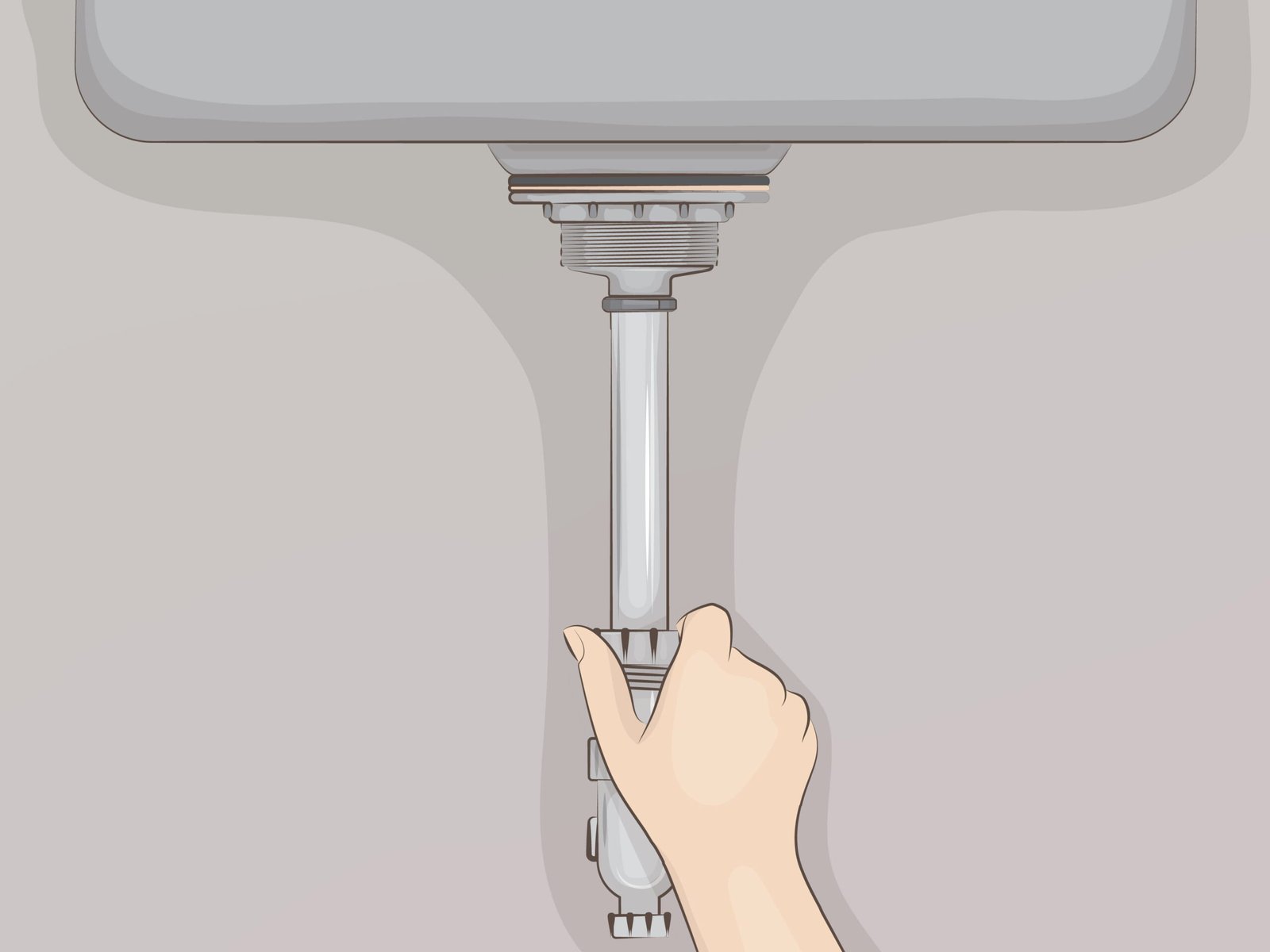
Understanding the parts of the sink drain makes installation much easier. The main components are:
- Locknut: It attaches the drain assembly to the bottom of a sink. Holds the drain fitting tightly, preventing parts from moving or leaking.
- Tailpiece: The tailpiece is a pipe that connects the sink drain to the trap. It lets the used water flow down to the pipe.
- P-trap: This device is a bent pipe filled with water. The water stops smells from the sewer from coming into the plumbing system. It also works well to keep smells from coming back into the sewer system.
- Wall pipe: This is a pipe between the sink system and the drainage pipe. It can remove wastewater from the sink to the main plumbing system.
The system is made up of components and each component is important for keeping the system clean. Each component helps to prevent leaks in the system.
Gerber toilet parts
Even though this guide is about sinks, many people also look for Gerber toilet parts when fixing bathroom plumbing.
A typical toilet system includes:
- Flush valve
- Fill valve
- Flapper
- Tank lever
- Wax ring
- Bowl and tank connection bolts
These parts control flushing and refilling water. If any part fails the toilet may Not flush properly. Understanding these parts helps in repairs and maintenance.
Portable Sink Without Plumbing Connection
If permanent plumbing is unavailable, a portable sink no plumbing is available. These sinks are used in events, small shops or temporary setups. They come with a water tank and waste tank. Water is pumped manually with a small electric pump. After use wastewater is stored in a container. This type of sink is easy to move and does not need a wall connection. It is useful for places where installing plumbing isn’t possible.
Final thoughts
Learning how to install a sink drain, how to install a bathroom sink drain and even installing kitchen sink drain plumbing is not as difficult as it seems. However, once the parts and the flow of water are understood, a sink drain’s operation seems simple.
From bathroom sinks, to kitchen setups and even portable sinks every system follows the simple idea: collect water, guide it through pipes and safely remove it. With the steps and careful checking anyone can handle basic sink installation and replacement tasks at home without getting confused.
If you need quick help, you can contact Emergency Plumber Hire for any plumbing needs.
FAQs
Q1: What does a sink drain do?
It carries dirty water from the sink into the pipe system.
Q2: Why is a sink drain important?
It removes wastewater and keeps the sink clean.
Q3: What are the parts of the sink drain?
Common parts include the flange, tailpiece, P-trap, and drain pipe.
Q4: Why do sink drains leak?
Leaks happen when seals become loose or parts wear out.
Q5: What causes a sink drain clog?
Food waste, grease, hair, and soap can block the pipe.