


A standard 40-gallon gas water heater usually takes 30 to 40 minutes to fully heat up. An electric water heater of the exact same size takes about 60 to 80 minutes. Tankless water heaters provide hot water instantly. The exact recovery time depends on tank capacity, incoming water temperature, and the age of the unit.
Stepping into a shower expecting a warm stream of water, only to be met with an icy blast, is a frustrating experience. It is a harsh wake-up call that disrupts your morning routine. This sudden chill usually means someone else used all the hot water, and now you have to wait for the tank to recover.
Knowing exactly how long does a water heater take to heat up is essential for managing a busy household. If multiple family members need to shower, do laundry, or run the dishwasher before work, timing becomes critical. Understanding your plumbing system helps you schedule these tasks without running out of warm water.
This guide will provide clear timelines for different types of home water heating systems. We will explore the specific factors that dictate heating speeds, compare gas and electric models, and offer simple maintenance tips to keep the hot water flowing smoothly.
What factors influence how long water heater take to heat up?
Several different variables impact how long water heater take to heat up once the tank is empty. The three most common factors are tank size, incoming water temperature, and the age of the appliance.
First, the capacity of the tank plays a massive role. A small 40-gallon tank will reach its target temperature much faster than a large 80-gallon tank. The heating elements simply have less volume to process.
Second, the starting temperature of your local groundwater changes recovery times. During the winter months, the water entering your home from municipal pipes is much colder. The system must work harder and longer to raise that freezing groundwater to a comfortable 120°F. In the summer, the incoming water is warmer, which naturally reduces the heating time.
Finally, the age of the unit matters. Older models often suffer from heavy sediment buildup inside the tank. This layer of mineral debris sits between the heating element and the water, forcing the system to work longer to transfer heat.
Here is a quick look at average recovery times based on tank size:
- 30-gallon tank: 20 to 60 minutes
- 40-gallon tank: 30 to 80 minutes
- 50-gallon tank: 40 to 100 minutes
- 80-gallon tank: 60 to 120 minutes
Gas vs. electric: How long for water heater to heat up?
When choosing a new appliance, fuel type is a major decision factor. Gas and electric units operate very differently. Gas water heaters generally recover much faster than electric ones. Choose a gas water heater if fast recovery times and accommodating a large household matter more than low upfront installation costs.
A standard 40-gallon gas water heater takes about 30 to 40 minutes to fully heat up. Gas burners generate intense heat immediately, transferring it quickly through the bottom of the tank.
By contrast, a standard 40-gallon electric heater takes anywhere from 60 to 80 minutes to achieve the exact same result. Electric models rely on internal heating coils. These coils take a longer time to get hot and transfer that energy to the surrounding water.
If you do not know which type you have, look at the bottom of the tank. If you see a blue pilot light flame and a thick black exhaust pipe at the top, you have a gas model. If the tank simply plugs into a heavy-duty wall outlet or hardwires into a wall panel without an exhaust vent, you own an electric model.
How do tankless systems work and how to flush tankless water heater units?
Tankless water heaters completely change the rules. These systems provide hot water on demand rather than storing it in a large metal drum. When you open a hot water tap, cold water travels through a pipe into the unit. A gas burner or electric element quickly heats the water as it passes through. Because they do not store a limited supply, the wait time to heat up a tank is zero.
However, tankless systems require distinct maintenance to remain efficient. Mineral buildup can severely impede heating efficiency over time, leading to cold showers and restricted water pressure. Learning how to flush tankless water heater units is vital.
To flush the system, you must turn off the gas and water valves. Connect hoses to the isolation valves, and use a small submersible pump to circulate white vinegar through the system for roughly 45 minutes. This acidic vinegar breaks down hard water scale. Performing a yearly flush extends the lifespan of the unit and maintains its instant-heating capabilities.
How to turn up your water heater to maximize energy efficiency?
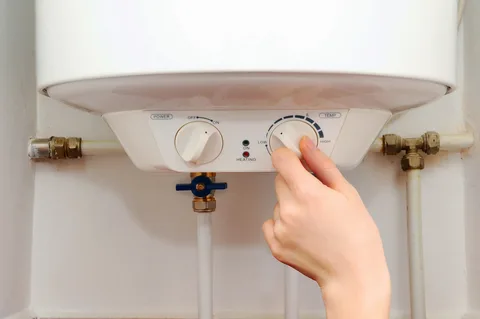
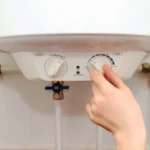
Sometimes, the water feels lukewarm because the internal thermostat is set too low. Adjusting this setting can make a major difference in your daily comfort.
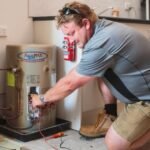
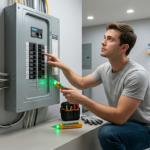
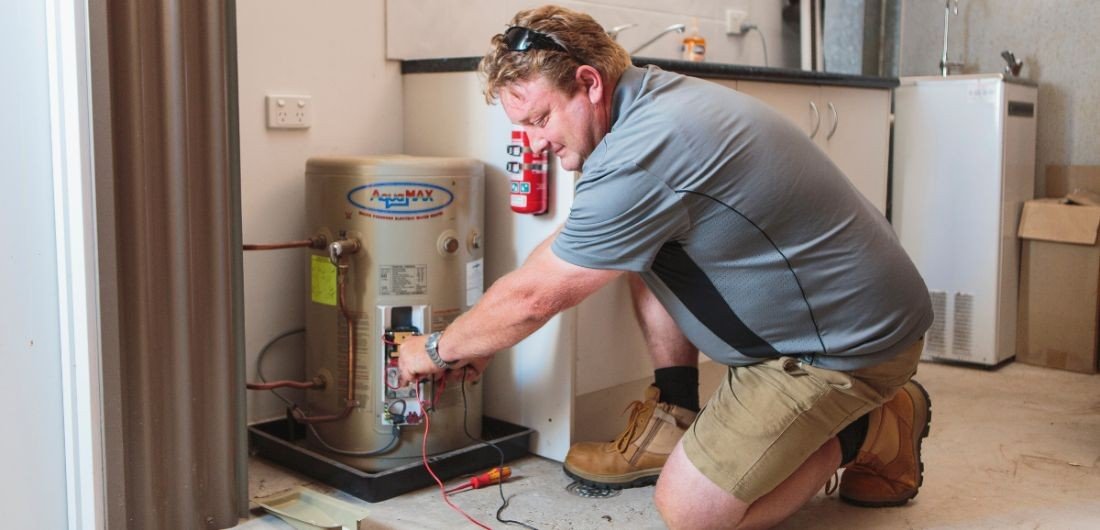
If you want to know how to turn up your water heater safely, follow these precise steps. For electric models, start by turning off the power at your main electrical breaker panel. Safety is the top priority. Use a screwdriver to remove the metal access panel on the side of the tank. Pull back the insulation to reveal the small thermostat dial. Use a flathead screwdriver to adjust the dial to the desired temperature.
For gas models, the process is even easier. The thermostat control is usually a visible plastic dial located near the bottom of the tank, right by the gas valve. Simply turn the dial to your preferred setting.
The Department of Energy recommends setting your thermostat to exactly 120°F (49°C). This specific temperature prevents accidental scalding while maximizing energy efficiency and keeping utility bills low.
Next steps to keep your home’s hot water flowing
Understanding how your plumbing works allows you to plan your day without stress. Gas units will heat water faster than electric units, while the size of the tank determines the exact wait time. Tankless systems offer an instant supply but demand regular maintenance to prevent scale buildup.
Take a few minutes today to perform a routine check on your water heater’s temperature settings. Ensure it sits safely at 120°F. If your system takes an unusually long time to recover, or if you have not performed a maintenance flush in the past calendar year, schedule one soon. Routine care keeps the warm water running reliably.
Frequently Asked Questions
What happens if I set my water heater temperature above 120°F?
Setting the temperature above 120°F increases the risk of severe burns, especially for young children and elderly adults. It also forces the unit to consume more energy, which will increase your monthly utility bills and accelerate mineral buildup inside the tank.
Why does my hot water run out so fast?
Your hot water may run out quickly if the tank size is too small for your household demand. It can also happen if sediment has accumulated at the bottom of the tank, which reduces the total volume of water the tank can actually hold. A broken internal heating element will also limit output.
How much does it cost to fix a broken water heating element?
Replacing a broken electrical heating element usually costs between $150 and $300, depending on local labor rates and the specific brand of your appliance. The part itself is very cheap, but hiring a licensed professional ensures the electrical wiring is handled safely.
Are tankless water heaters worth the higher installation cost?
Tankless water heaters are worth the investment if you plan to stay in your home for many years. While they cost more upfront, they reduce monthly energy bills by only heating water when needed. They also save physical space and provide an endless stream of hot water.